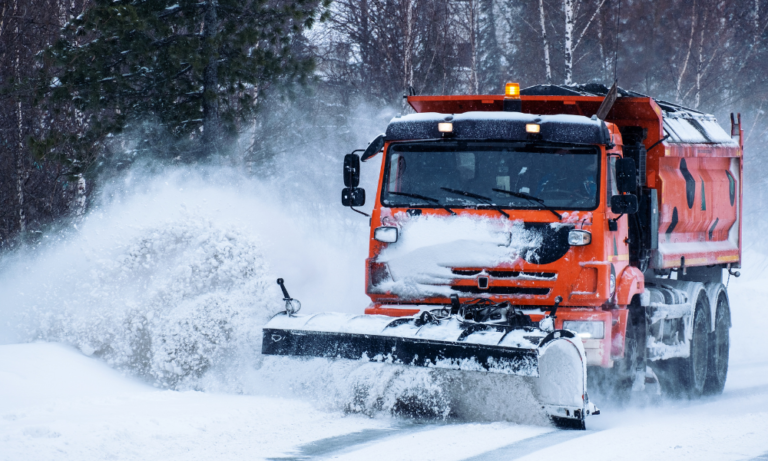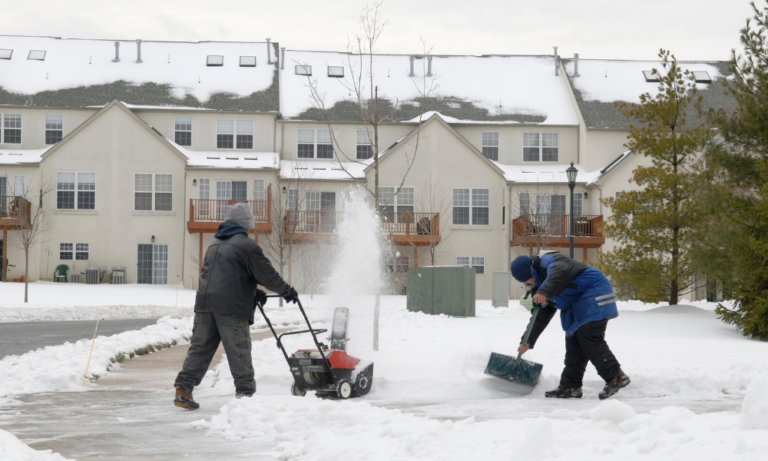

What Happens to Your Business When Snow Blocks Access? A Bronx Winter Guide
Winter snow can create problems for a commercial property long before the storm is over. A blocked parking lot can reduce available spaces, snow-covered entrances can make access difficult, and icy walkways can create additional concerns for employees, customers, and visitors.
For businesses throughout the Bronx, winter preparation should be about more than simply removing snow. A good plan considers parking, vehicle access, pedestrian routes, loading areas, snow placement, and ice control.
In this guide, we’ll look at what commercial property owners should consider before, during, and after a major snow event.
Snow Can Affect More Than Your Parking Lot
When snow begins accumulating, businesses often focus immediately on their parking areas. However, several other parts of a commercial property can become difficult to use.
Snow may affect:
- Parking spaces
- Drive lanes
- Building entrances
- Sidewalks
- Loading zones
- Walkways
- Delivery routes
- Emergency access areas
A complete winter plan should identify these areas before the storm arrives.
Why Parking Lot Snow Clearing Matters
A parking lot can lose usable space quickly when snow accumulates.
Snow pushed into the wrong locations can create large piles that reduce parking capacity or block visibility. Professional parking lot snow clearing should therefore consider not only how snow is removed, but also where it can safely be placed.
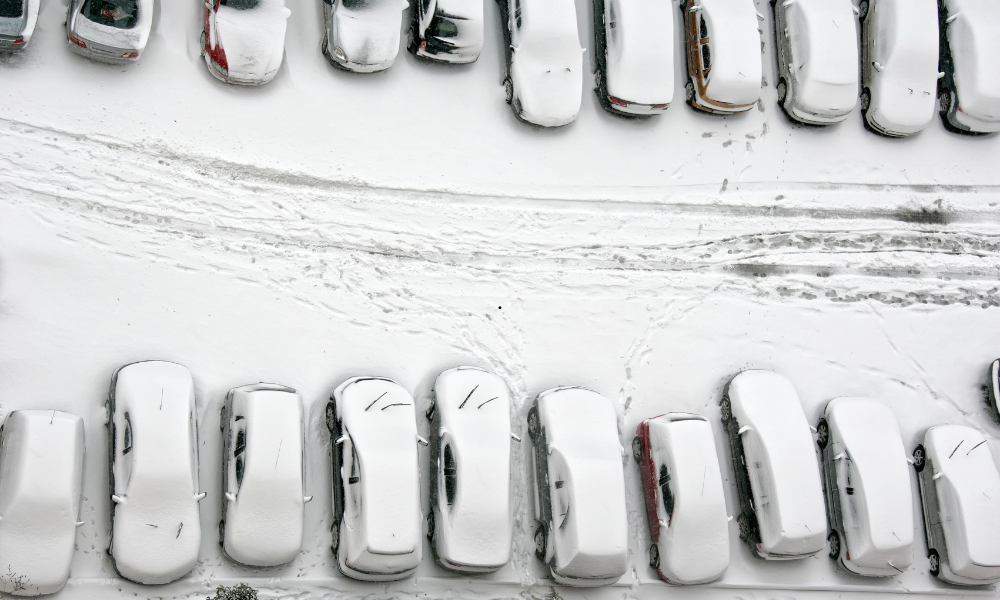
Commercial snow services commonly include parking lot plowing, vehicle lanes, entrances, and other high-use areas.
Commercial Snow Plowing Should Be Planned Ahead
Waiting until the storm is already underway to figure out a snow-removal strategy can create unnecessary problems.
Before winter, property managers should determine:
- Which areas require priority clearing
- Where snow can be stored
- Which entrances must remain accessible
- How loading areas will be handled
- Which pedestrian routes need attention
- Whether de-icing will be required
This allows commercial snow plowing to be organized around the actual needs of the property.
Don’t Forget Sidewalks and Entrances
A cleared parking lot does not mean the entire property is ready for business.
Employees and customers still need to move between parking areas and building entrances. Snow and ice can accumulate along sidewalks, walkways, ramps, and entrance areas.
That’s why commercial sidewalk snow removal should be included in the overall winter plan rather than treated as a separate afterthought.
De-Icing After Snow Removal
Snow removal and ice management work together.
After snow is cleared, melting and refreezing can create icy areas, particularly around entrances, shaded sections, slopes, and high-traffic walkways.
Commercial snow management providers commonly offer salting and de-icing as part of winter property maintenance.
The specific treatment should be based on the property’s surfaces and winter conditions.
What About a Major Snowstorm?
A larger storm may require more than one visit.
If snow continues falling for an extended period, clearing only once may not be enough to maintain access. Businesses should discuss storm-response expectations before winter begins.
An emergency snow removal plan can prioritize critical areas such as:
- Main entrances
- Primary parking areas
- Drive lanes
- Loading zones
- Sidewalks
- Important access routes
Planning these priorities ahead of time makes it easier to respond when conditions become severe.
Hunts Point Commercial Properties Need Practical Planning
For businesses in Hunts Point, winter planning should take the property’s daily operations into account.
Commercial and industrial properties may have regular truck traffic, deliveries, loading activity, and employee movement. Snow accumulation around these areas can interfere with normal operations.

A commercial snow management plan should therefore consider more than the front parking area.
South Bronx Businesses Can Prepare Before Winter
Businesses throughout the South Bronx can benefit from preparing their winter service requirements before significant snowfall arrives.
A seasonal plan can combine:
- Commercial snow plowing
- Parking lot snow clearing
- Sidewalk snow removal
- De-icing
- Salt application
- Emergency snow removal
- Snow relocation when necessary
Some commercial providers also offer seasonal contracts or per-event service, depending on the property and service requirements.
How to Build a Better Winter Snow Plan
Before winter weather arrives, walk through your property and identify every area where snow could create an operational problem.
Ask:
Where do customers park?
These areas should remain accessible and reasonably usable.
Where do deliveries arrive?
Loading zones and vehicle routes may require special attention.
Where do employees enter the building?
Pedestrian access should be included in the snow plan.
Where can snow be placed?
Snow piles should not unnecessarily block parking, visibility, drainage, or access.
Which areas are likely to become icy?
These locations may need additional ice-control measures.
The Goal Is Simple: Keep Your Business Moving
Good commercial snow management is not simply about making snow disappear.
It’s about keeping a property functional when winter weather makes normal operations more difficult.
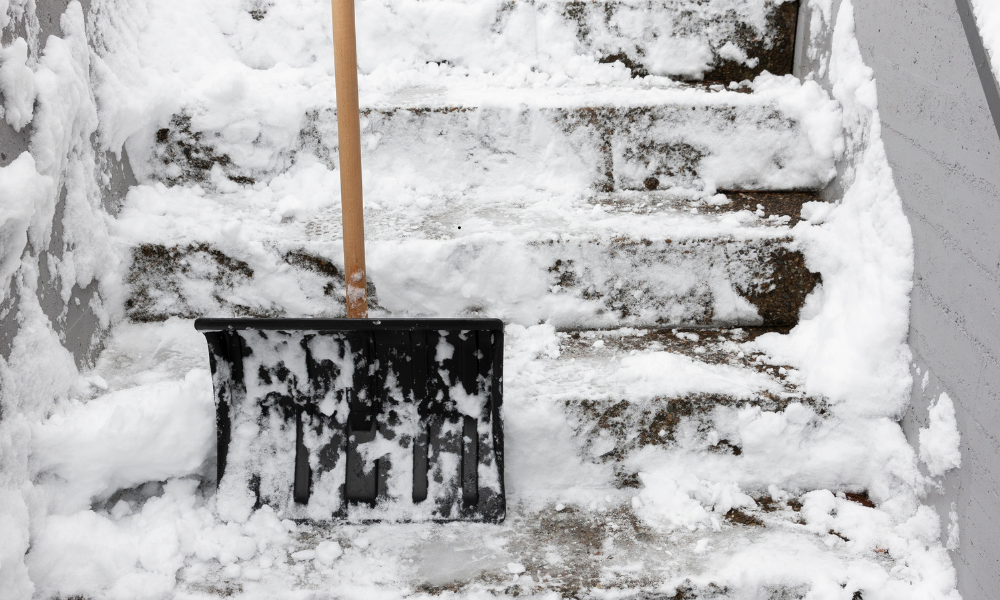
A properly planned service can help maintain access to parking lots, drive lanes, sidewalks, entrances, loading areas, and other important commercial spaces throughout the winter.
For Bronx businesses, preparing before the storm is usually much easier than trying to solve every problem after snow and ice have already accumulated.
Get Your Bronx Property Ready for Winter
Don’t wait until a major snowstorm is already affecting your business.
If your commercial property is located in the Bronx, Hunts Point, or the South Bronx, a professional winter plan can help you prepare for snow plowing, parking lot clearing, sidewalk service, de-icing, and emergency snow removal.
Keep Your Property Accessible. Keep Your Business Moving.
Start planning your commercial snow removal and winter snow management service before the next major storm arrives.